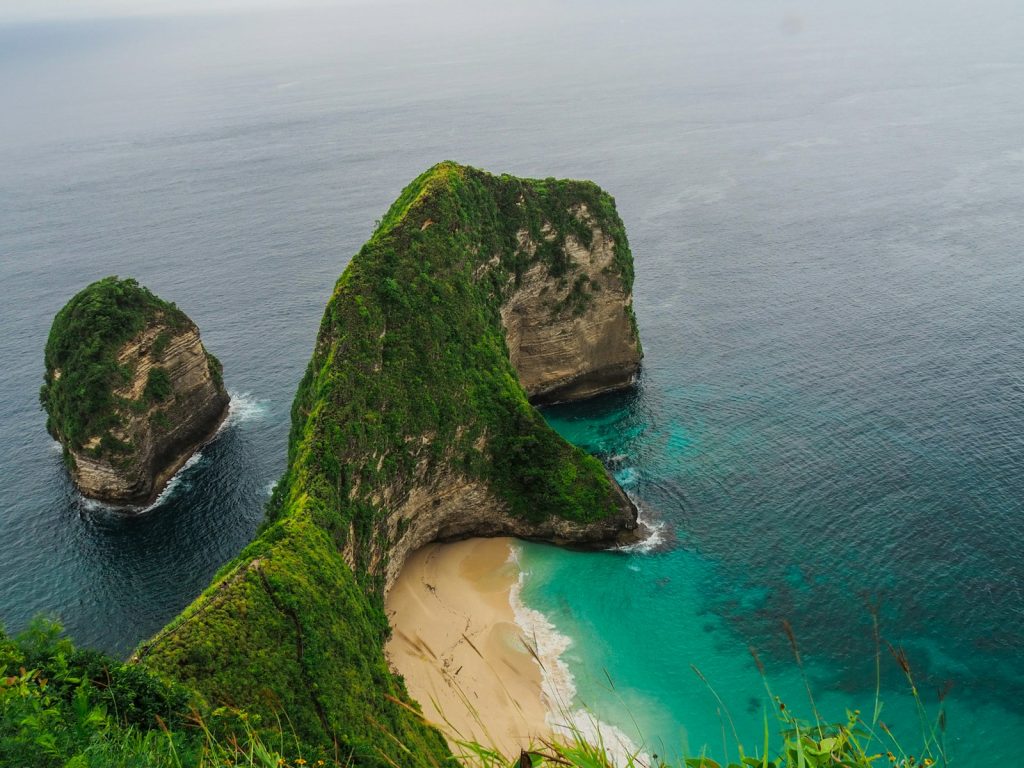
The best time to visit Bali luxury-wise is typically the shoulder months of May–June and September–October, when the weather is usually dry, the ocean is swimmable, and rates are softer than peak. For guests who prioritise absolute privacy and value, February–April can be the most rewarding window if you plan carefully around rainfall.
How “best time to visit Bali luxury” actually works
For high-end travellers, “best time” is not just about sunshine. It’s a balance of:
– Weather and ocean conditions
– Crowds and privacy
– Villa and resort pricing
– Events and school holidays
– Flight patterns and airside experience
Below is a simple overview by season based on how our private clients typically use the island.
Bali luxury season by month: a practical overview
| Month | Weather pattern* | Typical crowd level | Luxury pricing trend (villas/resorts) | Who it suits |
|---|---|---|---|---|
| January | Wet season, humid, intermittent heavy rain | Moderate (post‑New Year drop) | Lower; good value, promos common | Privacy‑focused guests who accept rain; spa/retreat trips |
| February | Wet, some sunny breaks; sea can be rough on west coast | Low–moderate | Low–mid; strong villa value | Quiet couples, long stays, wellness and workations |
| March | Transitioning; still wet but improving | Low–moderate | Low–mid | Guests who prefer fewer people over perfect weather |
| April | Shoulder; more consistent sun, some showers | Moderate | Mid; starting to rise | Families outside school holidays, mixed interests |
| May | Dry season starting; warm, generally sunny | Moderate | Mid; good quality‑to‑price ratio | First‑timers, honeymooners, yacht and dive charters |
| June | Dry, less humid; sea generally calmer | Moderate–high | Mid–high; still below July/Aug | Luxury travelers seeking reliable weather and activity |
| July | Dry, warm, breezy evenings | High (school holidays) | High; peak villa/resort rates | Families tied to school dates, social travellers |
| August | Dry, comfortable; popular for surfing | Very high | Very high; limited top‑tier availability | Those prioritising energy over seclusion |
| September | Dry season tapering; still warm and clear | Moderate | Mid; easing from peak | Quiet‑luxury guests, honeymooners, couples |
| October | Shoulder; more clouds, some showers | Low–moderate | Mid–low; some excellent offers | Value‑savvy luxury, wellness, longer stays |
| November | Wet season returning; heavier showers | Low | Low–mid | Returning visitors, spa and culinary‑led trips |
| December | Wet; drier early in the month, wetter later | High over Christmas/New Year | Very high around holidays; early Dec mid | Festive families and groups, event‑driven trips |
*Weather is naturally variable; this is based on long‑term patterns, last reviewed June 2026.
Shoulder vs peak: timing Bali for quiet luxury
For most of our HNWI guests, the “best” bali luxury season is:
– **Primary sweet spot:** May–June, September–mid‑October
– **Secondary sweet spot (for privacy and value):** February–April, early November
Why May–June and September work so well
These months usually combine:
– **More predictable sunshine** than the wet months
– **Calmer seas** for swimming, yachting and coastal stays
– **Manageable traffic and crowds** compared with July–August
– **Rates below full peak** at high‑end villas and resorts (last verified June 2026)
For example, a **4–5 bedroom staffed villa with pool** in Canggu, Seminyak or Uluwatu may sit roughly in these brackets (accommodation only, last verified June 2026):
– Shoulder season (May–June, Sept–Oct):
• About **USD 900–2,500+ per night** depending on exact location, view, and staffing level
– Peak (July–Aug, Christmas/New Year):
• Commonly **25–60% higher** for equivalent product
The case for “off‑peak” luxury: February–April
For ultra‑privacy and guests accustomed to tropical weather:
– **Rates ease:** Many high‑end villas and resorts offer their best value between February and April (excluding any Easter peak).
– **More space:** Restaurants, beach clubs and roads are quieter; your driver and security team can do more, in less time.
– **Wellness focus:** If your days centre on spa, yoga, reading, and in‑villa dining, rain showers are less disruptive.
The trade‑offs:
– You plan around **sporadic heavy rain**, especially in the afternoon or evening.
– On some west‑facing beaches, **swell and driftwood** can be an issue; we often adjust guests to clifftops or east‑coast beaches during these weeks.
Timing by area: Uluwatu vs Ubud vs Canggu & Seminyak
Different parts of Bali respond to seasonality differently. Here is a quick comparison for typical luxury stays.
- Uluwatu & Bukit Peninsula (clifftops, south coast)
-
– Best for: Clifftop villas, ocean views, sunset rituals, surf.
– Best time for luxury stays: **May–October** for dryer clifftop days and clearer ocean conditions.
– Seasonal note: In wet season, the drama of waves and storms can be beautiful from a secure clifftop villa, but beach access can be more challenging. - Ubud & central highlands (jungle, rice terraces)
-
– Best for: Jungle calm, culture, wellness, design‑led resorts.
– Best time: **Year‑round**, with April–June and September–November especially pleasant for walking and cultural touring.
– Seasonal note: Rain adds atmosphere to jungle settings; for guests comfortable with humidity, even January–March can feel very special here. - Canggu & Berawa (villa belts, cafés, beach clubs)
-
– Best for: Modern villas, beach clubs, dining, working remotely.
– Best time: **May–October** for more consistent sunsets and surf; **Feb–April** for quieter, better‑value villa stays.
– Seasonal note: Traffic and crowds peak in July–August and over New Year; avoid if you value anonymity and quick transfers. - Seminyak & Petitenget (beachfront ease)
-
– Best for: Direct beach access, walking to restaurants, shorter drives from the airport.
– Best time: **May–June, September–early December** for a balance of scene and sanity.
– Seasonal note: On key holiday weeks Seminyak’s beachfront pathways and roads can be very busy – absolutely manageable with a good driver and itinerary, but not ideal if you prefer quiet. - Sanur & East Coast
-
– Best for: Calmer seas, child‑friendly beaches, east‑Bali excursions.
– Best time: **April–November** for drier mornings and gentler ocean conditions.
– Seasonal note: Often less affected by the heaviest South Bali crowds, even in peak months.
If you’d like to sanity‑check dates or combine multiple regions (for example Uluwatu + Ubud + a yacht charter), you can plan your trip with us via email or WhatsApp; we’ll map your preferences to the right month and micro‑location.
Prices and what “luxury” actually buys you (mid‑2026 ranges)
Bali can offer very different experiences at similar price points. Below are broad **mid‑2026 accommodation ranges** we see for private‑luxury guests; these are indicative only and vary by exact villa/resort, inclusions and season.
Private villas (fully staffed)
For a **high‑end private villa with pool, daily housekeeping and often a private chef**, the approximate nightly ranges are (last verified June 2026):
– **2–3 bedroom villas** in Seminyak, Canggu, Umalas, Ubud:
• From around **USD 400–1,200+ per night** in shoulder/low season
• Rising significantly in July–August and festive periods
– **4–5 bedroom villas** in similar areas or with partial ocean views:
• Typically **USD 900–2,500+ per night** in shoulder/low
• Higher for prime beachfront or clifftop, or ultra‑contemporary design
– **Ultra‑luxury estates** (6–10+ bedrooms, clifftop or true beachfront, cinema, gym, large staff):
• Commonly **USD 3,000–10,000+ per night**, depending on land size, brand and inclusions
Inclusions often cover:
– Full‑time staff (housekeepers, gardener, pool attendant; many include a cook or chef)
– Daily breakfast or the option for staff to prepare groceries you provide
– Concierge support (in‑villa spa, drivers, restaurant bookings)
Exclusive of:
– 21% government tax and service (at many properties)
– Private chef menus, premium groceries, events, extra vehicles, and security beyond standard night watch
Luxury resorts and branded villas
For **luxury resort suites or one‑bedroom villas with hotel services**, we see approximate ranges (last verified June 2026):
– **Entry‑level suites / villas in recognised luxury brands:**
• About **USD 300–900+ per night** in shoulder/low season
• Higher in peak; best oceanfront categories price significantly above entry
– **Top‑tier pool suites, clifftop or jungle villas in flagship properties:**
• Commonly **USD 700–2,500+ per night**, depending on brand, location and benefits
Inclusions usually cover:
– Full breakfast, housekeeping, turn‑down
– Resort facilities (pool, gym, kids’ club where available)
– Scheduled activities in many Ubud and highland properties (walks, cultural sessions)
The trade‑off: resorts provide more **consistent hotel standards and privacy protocols**, while fully private villas deliver **space, staff ratio and customisation** that many HNWI travellers prefer.
HNWI logistics by season: jets, helicopters, yachts
Luxury logistics in Bali are affected by seasonality just as much as beach conditions.
Private jets and airport fast‑track
– **Peak periods (July–August, Christmas–New Year, local holidays):**
• Denser air traffic, busier private and commercial terminals, and more constrained slots.
• Immigration and customs queues lengthen; **VIP fast‑track services** become essential if you value discretion and speed.
– **Shoulder/off‑peak periods:**
• Easier slot management for private jet arrivals into Ngurah Rai International.
• Fast‑track still advisable but less about time saved and more about **privacy and handled paperwork**.
Our typical approach for HNWI guests includes:
– Pre‑arranged **meet‑and‑assist / VIP immigration** services
– Dedicated luggage handling and secure airside–car transfer
– Vehicles pre‑positioned to avoid delays, with contingency routing if the main bypass is congested
Helicopter transfers and scenic flights
Season affects both **visibility and scheduling**:
– **Dry season (roughly May–October):**
• Generally clearer skies, better for coastal scenic flights to Uluwatu or Nusa Penida, or transfers to North Bali.
– **Wet season:**
• Afternoon storms and lower cloud can lead to more weather‑related changes. Flexibility is essential; we often schedule earlier flights or keep back‑up ground transfers ready.
Because landing sites near villas and resorts are very limited, helicopter solutions are usually **airport‑to‑helipad‑then‑car** rather than door‑to‑door.
Yacht charters and island hopping
Bali’s sea conditions are seasonal:
– **More favourable for yacht charters:**
• Typically **May–October** for Nusa Lembongan, Nusa Penida and some Lombok/Gili routes.
– **Shoulder/wet months:**
• Sea state can be rougher; we often advise larger, more stable vessels, shorter itineraries, or shifting more time to land‑based experiences.
We only work with operators whose vessels and crew are appropriately licensed and insured; we prioritise **safety and conservative routing** over distance covered.
How different trip types match different months
Honeymoons and romantic escapes
– **Best windows:** May–June, September–mid‑October
– Why: Reliable conditions for photos, mixed coast + jungle stays, and fewer families than full school‑holiday weeks.
– Ideal routing: 3–4 nights Ubud (jungle resort or villa) + 3–5 nights Uluwatu or East Coast (clifftop or beachfront).
If privacy is paramount and you’re comfortable with tropical showers, a **late‑February or March** honeymoon in a well‑designed villa can feel very serene, with softer pricing.
Families and multigenerational groups
– **Best windows:** April, June, early July, early December – depending on school calendars.
– Consider:
• Access to calm beaches (Sanur, some Nusa Dua and East Coast pockets).
• Villa layouts with child‑safe pools and separation of kids/teen rooms from main entertaining areas.
In peak July–August, we often move families slightly **away from the busiest strips** of Canggu and Seminyak into quiet lanes or estates with security and play spaces.
Wellness and retreat‑style stays
– **Best windows:** February–April, October–November, plus standard shoulder months.
– Ubud and the central highlands are **strong year‑round**, with rain amplifying the sense of retreat rather than disrupting it.
– For in‑villa wellness (yoga decks, therapists, plant‑forward menus), off‑peak can deliver **more availability and better talent** at shorter notice.
Culinary and culture‑led trips
– **Best windows:** March–June, September–November.
– Markets and ceremonies occur year‑round; the key is timing **village visits and temple time** for cooler mornings or late afternoons.
– Around major Balinese religious events (such as Nyepi, the Day of Silence, whose exact date shifts annually), certain activities pause; we plan your dates and rhythm accordingly and use the quiet as an advantage for rest and reflection.
How far ahead to book for a luxury Bali trip
Lead times matter more in Bali’s top tier than most guests expect.
– **Peak (July–August, Christmas/New Year):**
• For the best villas and suites, plan **9–12+ months ahead**.
• Helicopters, yachts and specialist guides can book out at the same time.
– **Shoulder (May–June, September–October):**
• For private villas and in‑demand resorts, **6–9 months** gives you the most options.
– **Off‑peak (Feb–April, November):**
• **3–6 months** can still secure a strong selection, though ultra‑unique properties should always be approached earlier.
Our role is to **curate, not inflate**: no one can pay to change what we publish; if you proceed with our partner they may pay us a referral fee at no extra cost to you.
If you’re working within fixed dates and want us to sequence the right areas, villas and logistics around them, you can plan your trip with us – our team is used to coordinating by WhatsApp for busy schedules.
Trade‑offs by season: a summary for HNWI travellers
To decide on the best time to visit Bali for your own luxury trip, weigh these trade‑offs honestly:
– **Dry vs dramatic:**
• May–October is drier and might suit guests who dislike weather surprises.
• Wet‑season stays (Jan–March) feel more theatrical – heavy rain, moody skies from clifftops – and can be deeply relaxing if planned with indoor space in mind.
– **Privacy vs atmosphere:**
• July–August and main holiday weeks offer the liveliest energy across beach clubs and dining rooms.
• Shoulder and off‑peak months provide **quieter resorts, less traffic, more attentive service** – often what true quiet‑luxury travellers prize.
– **Spend vs access:**
• You can spend the same amount and get **more space, more staff and more privacy** in February–April than you might in August.
• Some guests prefer to anchor spend in a flagship brand in peak season, accepting that certain restaurants or experiences will be busier; others spread the same budget across a **longer, softer‑season stay** with more in‑villa services.
– **Ocean vs inland focus:**
• If clear water and yacht days are non‑negotiable, favour **May–October** and keep an eye on local swell patterns.
• For culture, food, design and spa, **Ubud and the highlands work year‑round**, with minor adjustments for rain.
If you share your dates, trip length and what you want to feel (rested, connected, discreetly social, productive), we can suggest the **specific week, area mix and property style** that suits you best.
FAQs: Best time to visit Bali for a luxury trip
Is July or August better for a Bali luxury holiday?
July and August are both peak months with strong weather and very high demand. July can feel slightly less intense than August for certain beach clubs and roads, but from a luxury perspective they are comparable: excellent for energy, less ideal for privacy and pricing. If you are date‑flexible and value space, consider late June or early September instead.
What is the cheapest month to visit Bali in luxury still?
“Cheapest” is relative at the top end, but February, March and sometimes early November generally bring the best value in high‑end villas and resorts (last verified June 2026). You trade more changeable weather for lower rates, greater choice and quieter venues. For guests used to the tropics and prioritising in‑villa time, those months can feel very luxurious.
How many days do I need in Bali for a proper luxury itinerary?
For a meaningful, unhurried trip, most of our HNWI guests allocate 7–12 nights, usually split between two areas (for example Ubud and Uluwatu, or Canggu and East Bali). With private drivers, fast‑track immigration and well‑planned days, even a 5‑night stay can work, but below that the travel overhead starts to dominate the experience.
Does it rain all day in Bali during wet season?
Typically no. In most wet‑season weeks, rain arrives as heavy showers or storms for a few hours, often in the late afternoon or evening, with dry spells and sunshine in between. Patterns vary by year and area, and there are exceptions, but a well‑planned itinerary can comfortably work around the weather, especially for villa‑based or wellness‑focused stays.
When should I book if I need private jet handling and security?
For peak months and festive periods, aim for at least 9–12 months’ lead time to secure preferred villa or resort inventory, fast‑track slots, ground security and any helicopter or yacht elements in one coherent plan. For shoulder and off‑peak trips, 4–8 months is often sufficient, but earlier is always better if you have strict requirements or larger groups.
If you’d like tailored advice on the best dates and configuration for your own Bali stay, you can plan your trip with our team. We’re used to working discreetly over email and WhatsApp to fit around busy calendars and privacy requirements.